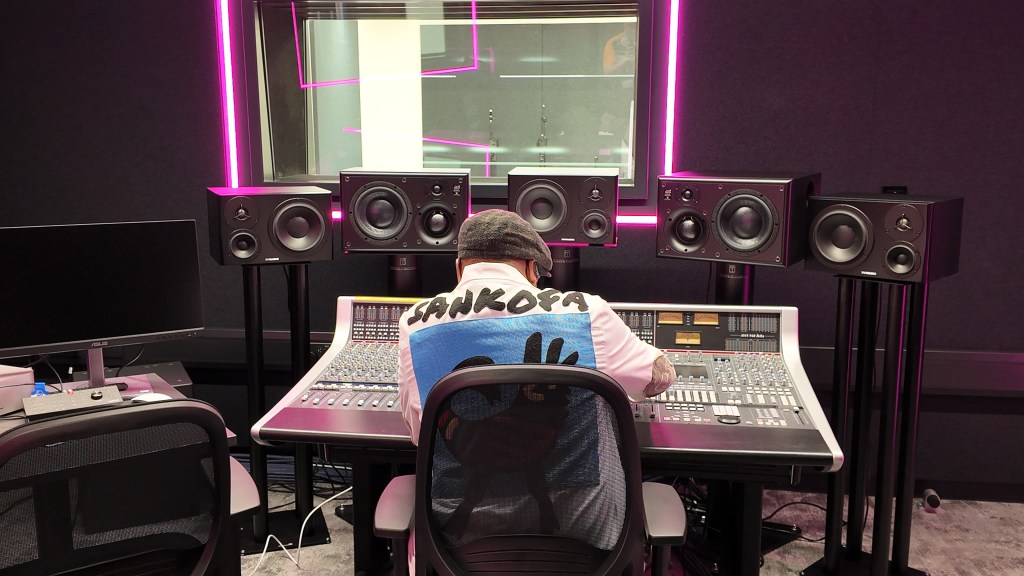
The train to Leeds took about two and a half hours from London, a smooth ride that carried me from the capital into a city with its own distinct energy. The City Centre is immaculate—alive with restaurants of every kind, a true crossroads of culture and cuisine. But beneath that polished surface is a deeper rhythm—one rooted in sound system culture, breakbeats, and creative rebellion. Leeds is not just a city you pass through; it’s a city that has been quietly shaping Hip Hop culture in the UK for decades.
Long before global recognition caught up, Leeds was building its own ecosystem. From early sound system culture in Chapeltown to the rise of crews, DJs, MCs, and graffiti artists, Hip Hop here developed as a lived experience—community-driven and expressive.
That legacy continues to be preserved and reimagined today. Exhibitions like A Hip Hop Journey: 50 Years of Kulture, co-curated with the Hip Hop Historian Society, center Leeds within the broader global narrative by highlighting the five pillars—DJing, MCing, aerosol art, breaking, and knowledge—while grounding it in local history. Artists like LSK and Testament continue to push that culture forward, insisting that while Leeds may have been “slept on,” its contributions are undeniable.
Even MF DOOM—one of my favorite emcees and producers—spent time living here before his passing in 2020, adding another layer to the city’s Hip Hop lineage.
By the time I arrived, it was late, so I headed straight to the hotel. With a 10:30 AM masterclass scheduled at the Institute of Contemporary Music Performance, I knew the priority was simple—rest up and be ready to show up fully for the students in the morning.
“Harry Shutter & the Chamber of Light”
Upon arriving on campus, I was welcomed by Christina, who ensured I received a thorough tour of the facility—studio rooms, Mac labs, and performance spaces that reflect the creative pulse of the Institute of Contemporary Music Performance. We eventually made our way into a kitchen area, where she offered coffee. I asked—half hopeful—if a macchiato was an option, and without hesitation, she began preparing a cup.
As we talked, I kept a close eye on the time. My lecture was set for 10:30 AM, and we had about an hour before things would begin. I shared that the London session had gone well and that I was especially looking forward to this one—more intimate, grounded in a classroom setting rather than a large performance space. When she asked about my plans for the rest of the day, I told her I intended to explore Leeds—find some Caribbean food, do a bit of shopping, and take in the city.
I mentioned that my publicist had been encouraging me to capture more professional photography during the tour, and I asked if there might be any students available who could assist. Christina quickly moved into action and connected me with a talented student photographer who could take me around the city before the lecture.
Enter: Harry.
Harry Kirkpatrick—better known, for the purposes of this journey, as Harry Shutter. He arrived ready, camera in hand, already on campus working toward upcoming assignments. The timing couldn’t have been more precise. Right place, right moment, fully equipped. Some people take pictures. Others capture light. Harry, it became clear, was there to do the latter.
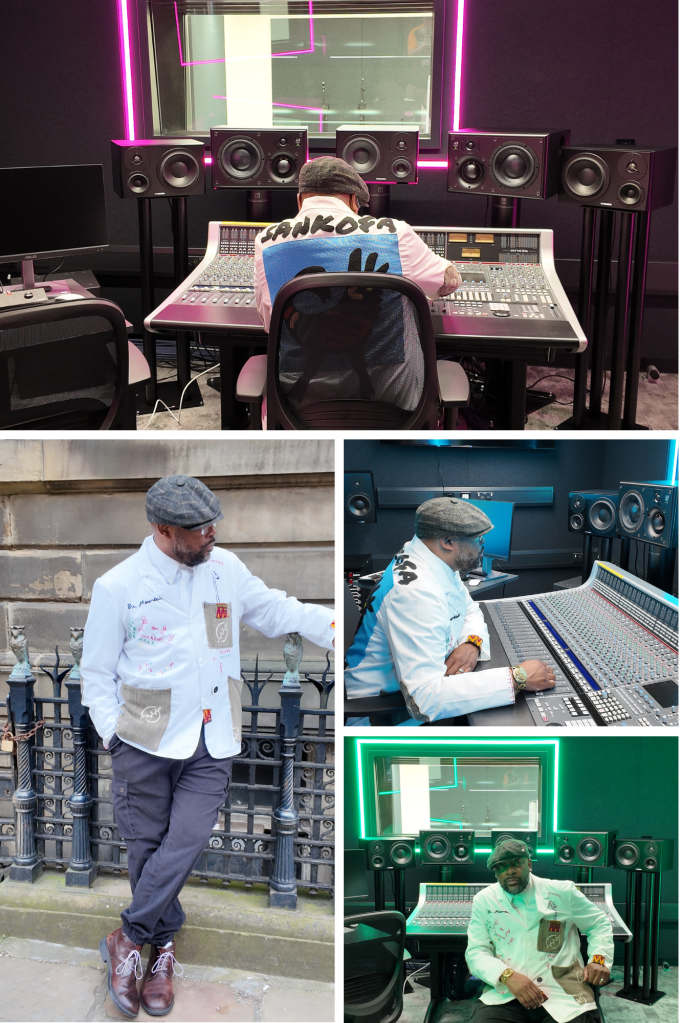
After the lecture, I made my way to a recording studio to sit down with Paul Nataraj of Hale House London Radio. Paul had been in attendance during the masterclass, so the conversation carried an immediate depth—he had experienced the energy in the room firsthand.
Hale House London is a dynamic arts and culture platform that spotlights global creativity across music, visual art, and cultural discourse, with a particular emphasis on voices that shape contemporary culture. Paul’s show operates within that space—blending interviews, commentary, and curated sound to explore the intersections of artistry, identity, and social impact. His approach is thoughtful and layered, giving guests the room to unpack what they do and why it matters.
Our conversation centered on the global reach of Hip Hop, the philosophy behind the Hip Hop Literacy Laboratory, and the ways education can evolve when culture is treated as text. Paul is currently producing a one-hour feature on the masterclass, capturing both the dialogue and the broader implications of the work.
Below is a brief excerpt from the opening moments of our conversation.
 DEF-ED!
Leave a comment