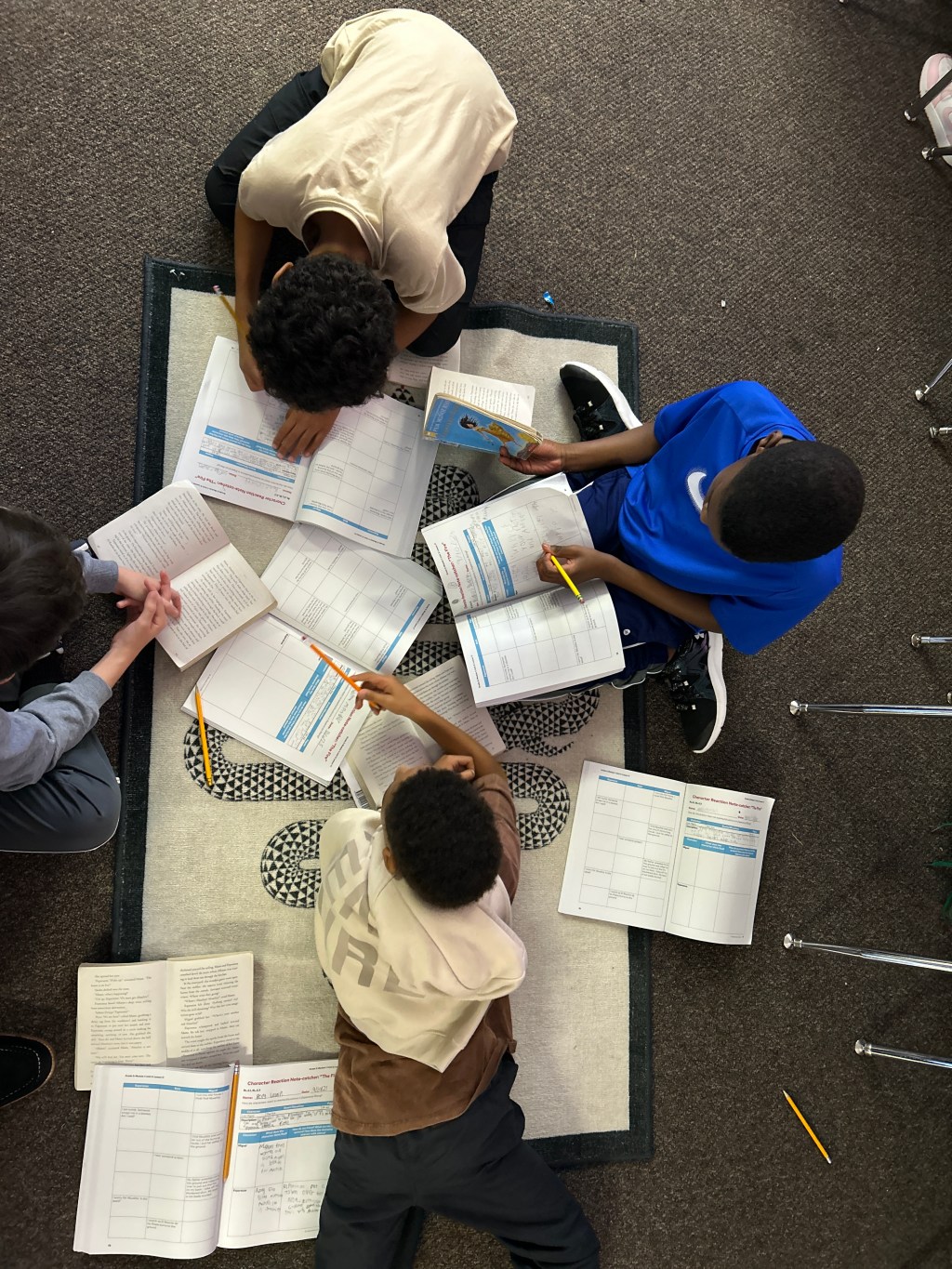
At the heart of the Literacy Laboratory is collaboration. Students are actively sharing ideas, strategizing on tasks, assigning roles, and pacing their work as a team. Watching these moments unfold is a joy, and the more opportunities students have to collaborate, the better they become at working together.
This week, students are working on a two-voice poem based on a novel we recently finished reading. Before they dive into their own essays, this exercise allows them to closely examine character reactions from different points in the story. As I move around the room, I hear thoughtful discussions about how characters responded to events, and I see students flipping through the novel to find details to support their ideas. These group experiences are more than just academic practice—they help us shape students who know how to honor the voices and ideas of others, a skill that will serve them far beyond the classroom.
These moments stand in stark contrast to the classrooms I grew up in—where desks were arranged in rigid rows and collaboration rarely happened outside of science labs. Group work wasn’t part of our daily routine, and there were few chances to develop the communication and teamwork skills that are now essential for success.
As a teacher, I deliberately design activities that invite students to take ownership of their learning. I consider the right group sizes—pairs, small groups, or individual work—and choose between homogeneous groups (with differentiated tasks) and heterogeneous groups (where stronger students guide their peers). I’ve learned that group activities require a level of student autonomy that teachers must embrace. Students often choose their own spaces, which sometimes leads to lively energy in the room, but it’s a productive energy that drives learning.
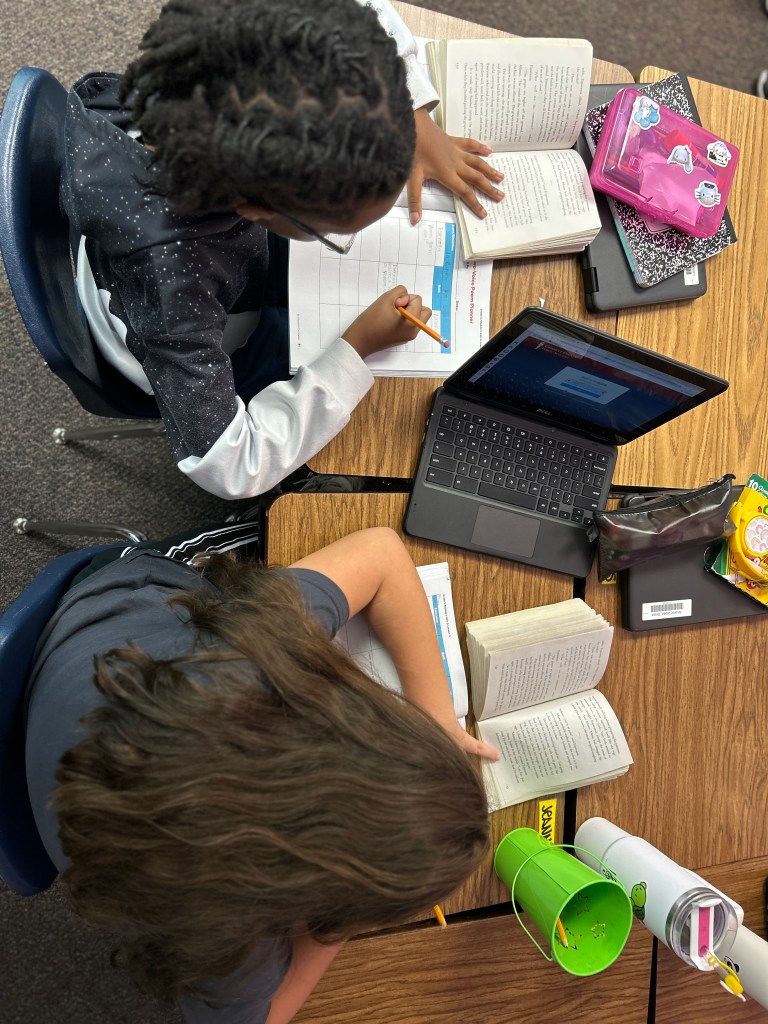
Beyond academics, these experiences teach students how to listen actively, respect diverse perspectives, and collaborate to solve problems. Reflecting on my decade as a school leader, I noticed that the most successful educators were those who could collaborate effectively, take feedback gracefully, and adjust their practices. In every workplace, there are people who thrive on conflict, but there are also those natural leaders who rally teams, simplify complex tasks, and get things done. In the Literacy Lab, we’re shaping the latter—students who are not only strong readers and writers but also empathetic, skilled collaborators ready for the world beyond the classroom.
To maximize productivity during group work, I rely on small but powerful tools and strategies. A meditation bowl serves as a gentle reminder when the noise level rises too high; its soft ring helps students refocus without disrupting the flow of conversation. An on-screen timer keeps groups on track, helping them pace their work and manage their time effectively. Early in my career, I was taught by master educators to “hold the teacher voice sacred”—to know when to step back and allow student voices to dominate. Group work is an ideal time to practice this restraint. By intentionally pulling back, we empower students to take charge of discussions, make decisions, and own their learning.

Teacher Tips for Fostering Collaboration
- Be Intentional with Grouping:
Match group structure to your learning goals. Use pairs for precision work, small groups for discussions, and mixed-skill teams to encourage peer mentoring. - Set Clear Roles:
Assign roles like “facilitator,” “scribe,” or “timekeeper” so every student has ownership and purpose within their group. - Normalize Productive Noise:
Collaboration is rarely silent! Teach students what “productive noise” looks and sounds like, and model effective communication. - Rotate Leadership Opportunities:
Give every student the chance to lead discussions or report back to the class, building confidence and voice. - Check In, Don’t Take Over:
Move through the room as a guide rather than a director. Ask questions that prompt students to think deeper rather than providing all the answers. - Reflect and Debrief:
End collaborative sessions with reflection. Have students share what worked, what didn’t, and how they’ll improve their teamwork next time.
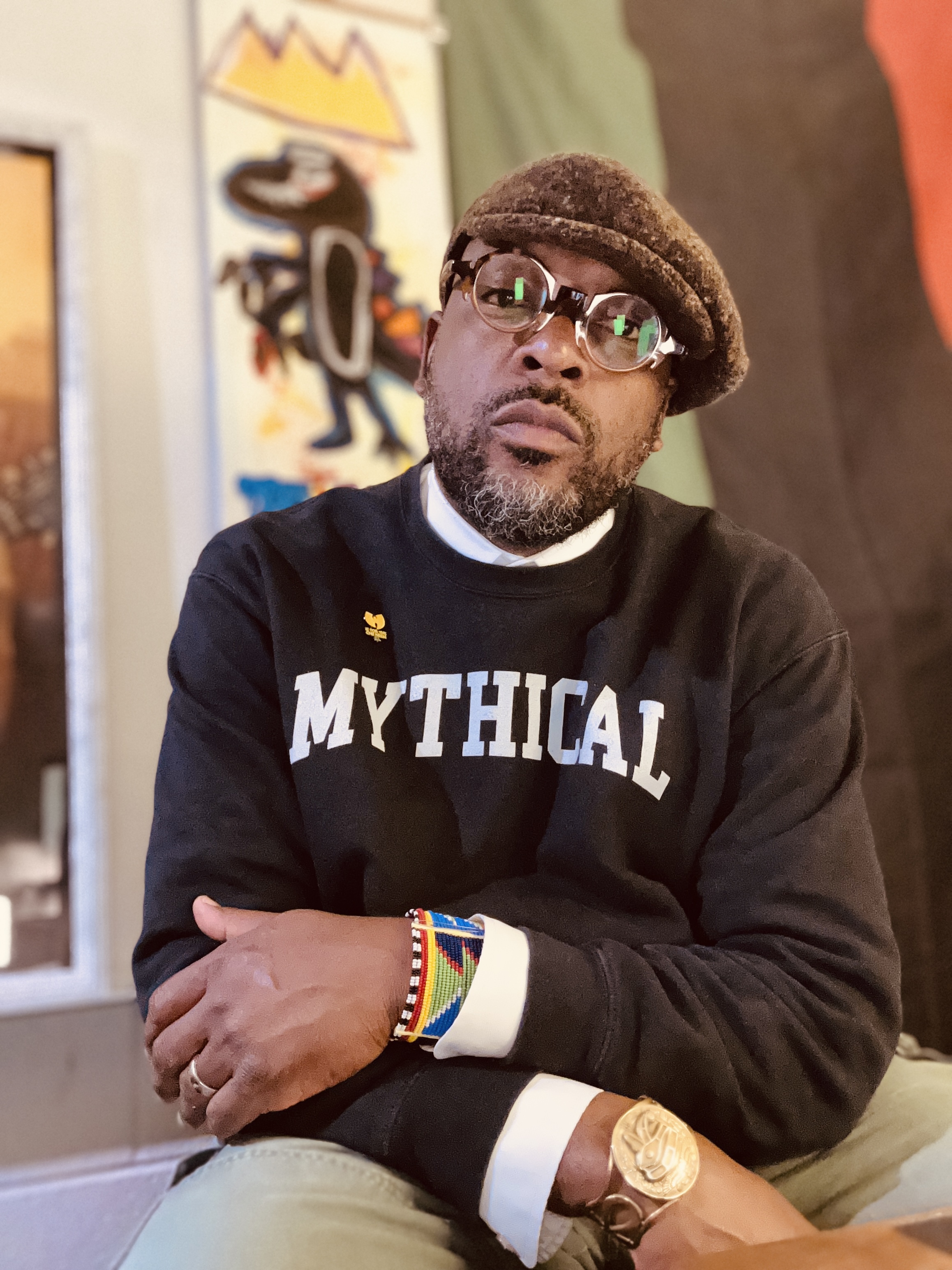
Writer—Literacy Laboratory Architect @ Gwinnett County Public Schools – Director of Education @ The Hip Hop Museum – Adjunct Professor @ SUNY Old Westbury
Dr. André Benito Mountain
Made with w.link
 DEF-ED!
Leave a comment